Hamilton homeowners are investing in their outdoor spaces like never before. The shift isn’t just about aesthetics, it’s about creating functional outdoor living areas that stand up to Southern Ontario’s freeze-thaw cycles while delivering real returns on investment.
Quality landscaping can significantly increase your home’s perceived value, with professional projects often adding substantial resale appeal according to real estate research. Among outdoor upgrades, interlocking patios and driveways consistently rank highest for both durability and visual impact. In Hamilton’s competitive market, where first impressions matter, the right hardscape features don’t just improve curb appeal, they solve practical problems like drainage, uneven surfaces and seasonal wear while positioning your home as move-in ready.
This guide walks through the landscaping decisions Hamilton homeowners face in 2026, from understanding what drives property value to selecting the right interlocking materials for driveways, patios and walkways that perform through Canadian winters.
What Makes Landscaping a Smart Investment in Hamilton
Landscaping isn’t a cosmetic expense, it’s one of the highest-leverage investments you can make in your property. Real estate agents consistently emphasize that curb appeal is critical for attracting buyers and many homebuyers consider poor outdoor presentation a dealbreaker. For Hamilton homeowners, that translates to faster sales and stronger offers when the time comes to list.
The financial impact is tangible. Projects like interlocking patios deliver strong returns on investment depending on material quality and design complexity, while comprehensive landscaping upgrades can meaningfully boost your property’s perceived value.
Beyond resale value, smart landscaping solves problems that hurt both livability and long-term property health. Poor drainage creates muddy patches, ice buildup and water stains on foundations, issues that raise red flags during inspections and showings. Proper grading paired with permeable interlocking surfaces moves water away from the home, reducing maintenance headaches and protecting structural integrity. In Hamilton’s variable climate, those functional upgrades matter as much as visual appeal.
How Interlocking Driveways and Patios Elevate Hamilton Properties
Interlocking stone remains the gold standard for driveways, patios and walkways in Southern Ontario because it balances durability, design flexibility and long-term performance. Unlike asphalt that cracks or poured concrete that settles unevenly, interlocking pavers shift with freeze-thaw cycles without breaking. Individual stones can be replaced if damaged and the surface stays level with proper base preparation, a critical advantage in Hamilton’s seasonal extremes.
Professional interlocking installations represent a significant investment, but the numbers reflect real value. The base preparation matters more than the pavers themselves, a properly compacted granular base prevents sinking and shifting that plagues cheaper installations within a few years. Hamilton’s clay-heavy soils and winter conditions demand substantial depth and expert installation.
When installed correctly, interlocking surfaces last decades with minimal maintenance beyond occasional polymeric sand refills. Concrete pavers typically perform well for a generation, while premium clay brick options can outlast most mortgages with proper care.
2026 Landscaping Trends Shaping Hamilton Outdoor Spaces
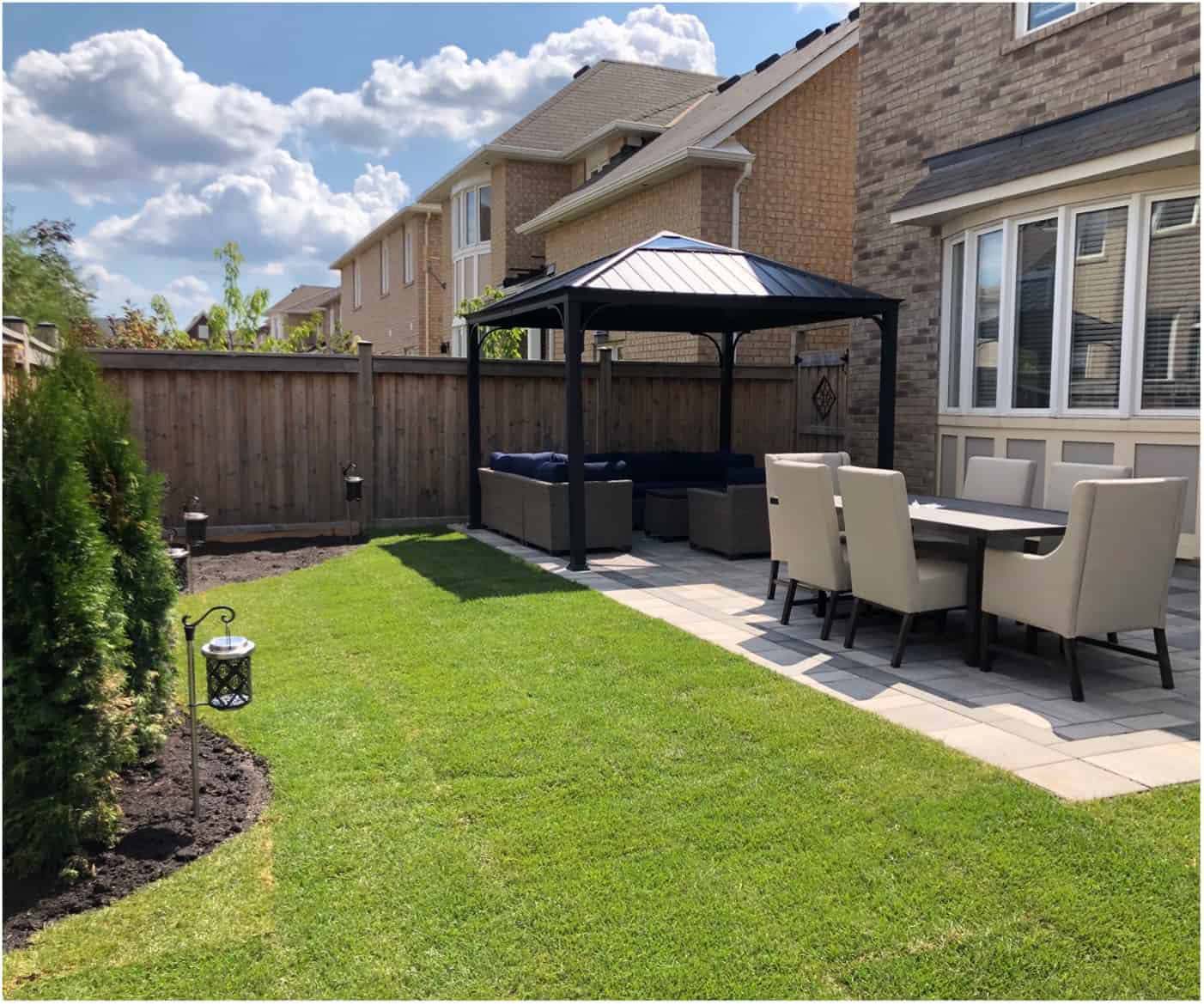
Southern Ontario landscaping in 2026 emphasizes outdoor rooms built for real weather. Homeowners are adding covered dining zones, three-season lounges with roll-down screens and patios with built-in heating elements. The goal is to extend usable outdoor time beyond the short summer window, creating spaces that work through spring evenings and late fall gatherings.
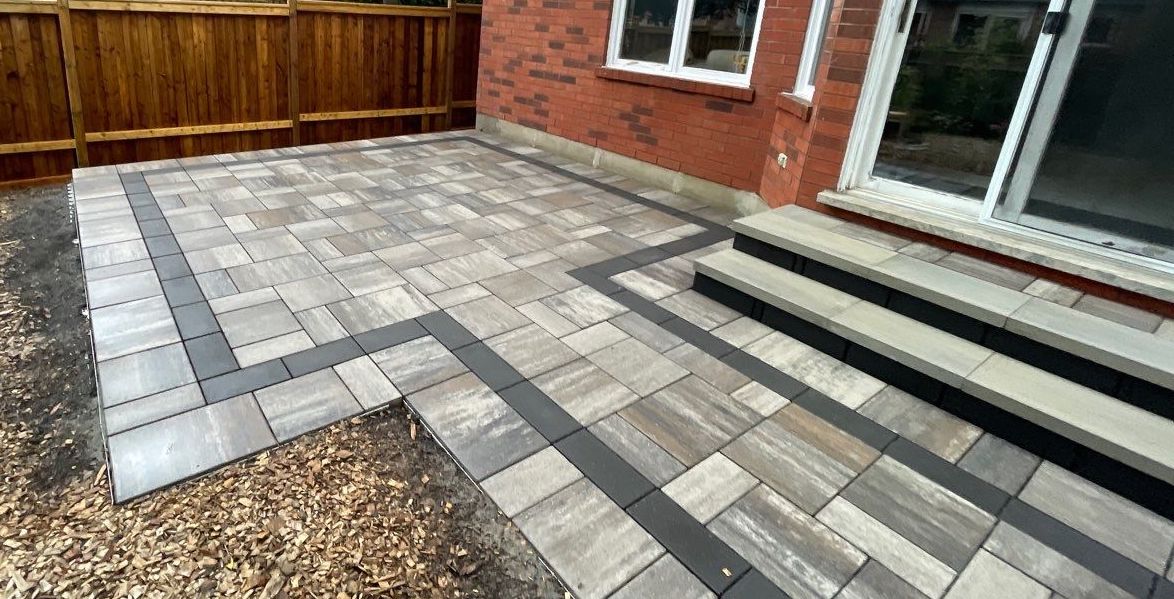
Retaining walls have evolved from purely functional elements to design statements. Modern installations integrate lighting, built-in planters and tiered seating walls that add hangout space without furniture clutter. Clean borders and intentional layout patterns dominate, with homeowners favoring crisp edging and contrasting field stones, think charcoal paired with warm grey or deep brown with beige.
Eco-conscious design is no longer optional. Permeable pavers allow rainwater to filter through rather than running off, reducing strain on municipal storm systems and preventing pooling. Native plant gardens paired with interlocking hardscapes create low-maintenance yards that support local ecosystems while cutting water use. Larger-format slabs and modern linear patterns are trending because they feel upscale and minimize visual busyness, making small yards feel intentionally designed rather than crowded.
Interlocking vs. Other Hardscape Materials: What Works Best in Hamilton
Choosing the right material comes down to three factors: durability through freeze-thaw cycles, maintenance requirements and upfront cost versus long-term value. Interlocking pavers outperform asphalt and poured concrete on all three metrics for Hamilton’s climate.
Asphalt driveways cost less upfront but require resealing every few years and develop cracks from temperature swings. Lifespan averages around two decades before full replacement. Poured concrete sits in the middle price-wise but cracks easily in freeze-thaw conditions and shows salt damage over time. Once concrete cracks, repair options are limited and often look patchy.
Interlocking pavers flex with ground movement without breaking. The individual units distribute weight across the surface and joints filled with polymeric sand allow expansion and contraction. If a section settles or a paver chips, you replace individual stones rather than tearing out entire slabs. Maintenance is minimal, occasional sand refills and optional sealing to preserve color. Over the long haul, interlocking delivers lower total cost of ownership despite higher installation expense.
Natural stone like flagstone or granite offers unmatched aesthetics but commands premium pricing for both materials and installation. It’s an excellent choice for high-end patios and walkways where visual impact justifies the budget. For most Hamilton driveways and larger patios, concrete pavers from manufacturers like Unilock, Techo-Bloc or Permacon strike the best balance between appearance, performance and cost.
Design Ideas to Maximize Curb Appeal and Functionality
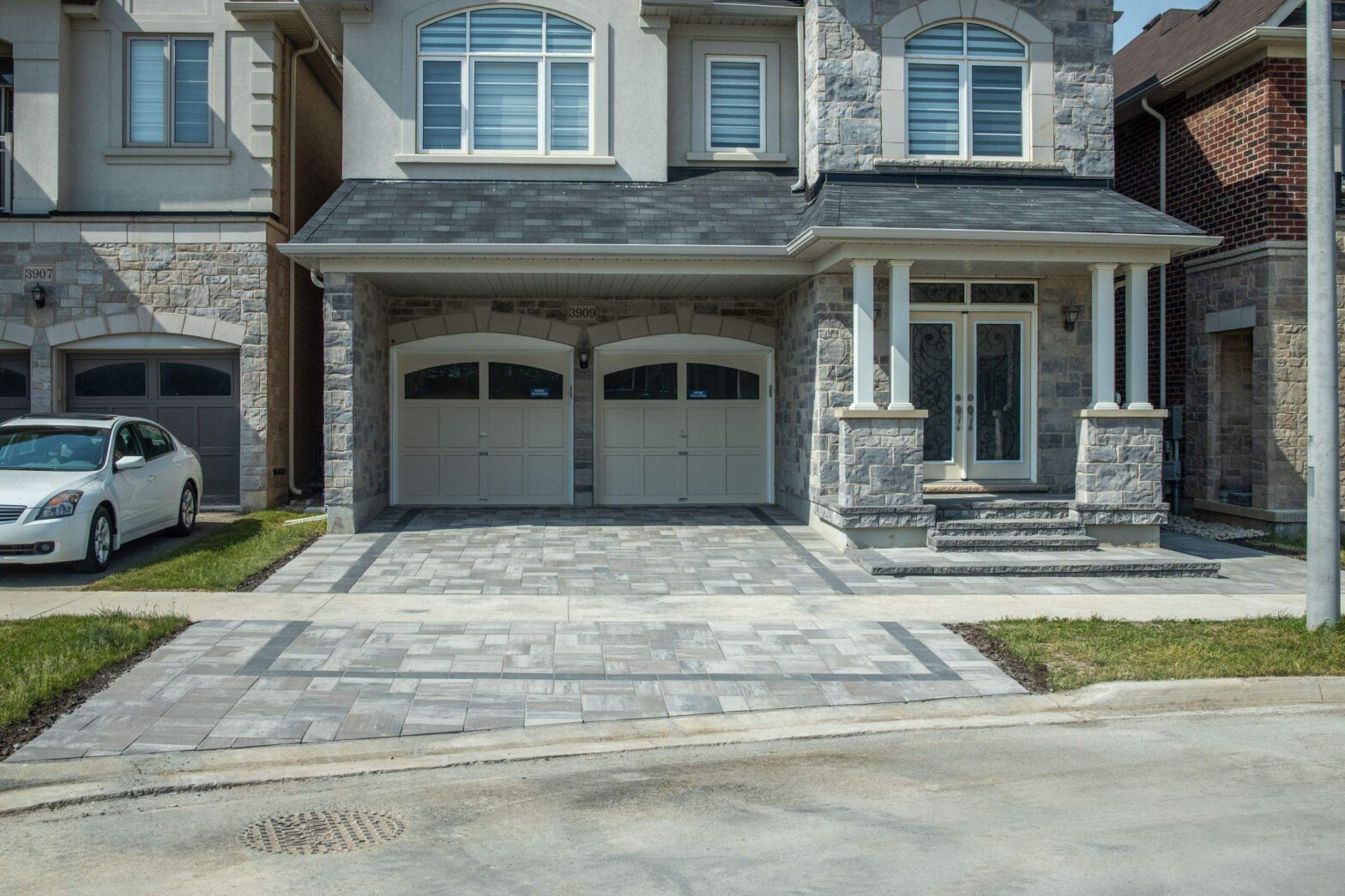
Great landscaping balances visual appeal with practical use. For driveways, herringbone or running bond patterns provide the structural stability needed for vehicle traffic while adding subtle visual interest. Circular patterns and fan designs require more cutting and fitting, adding to the cost, but create focal points that elevate front-yard presence.
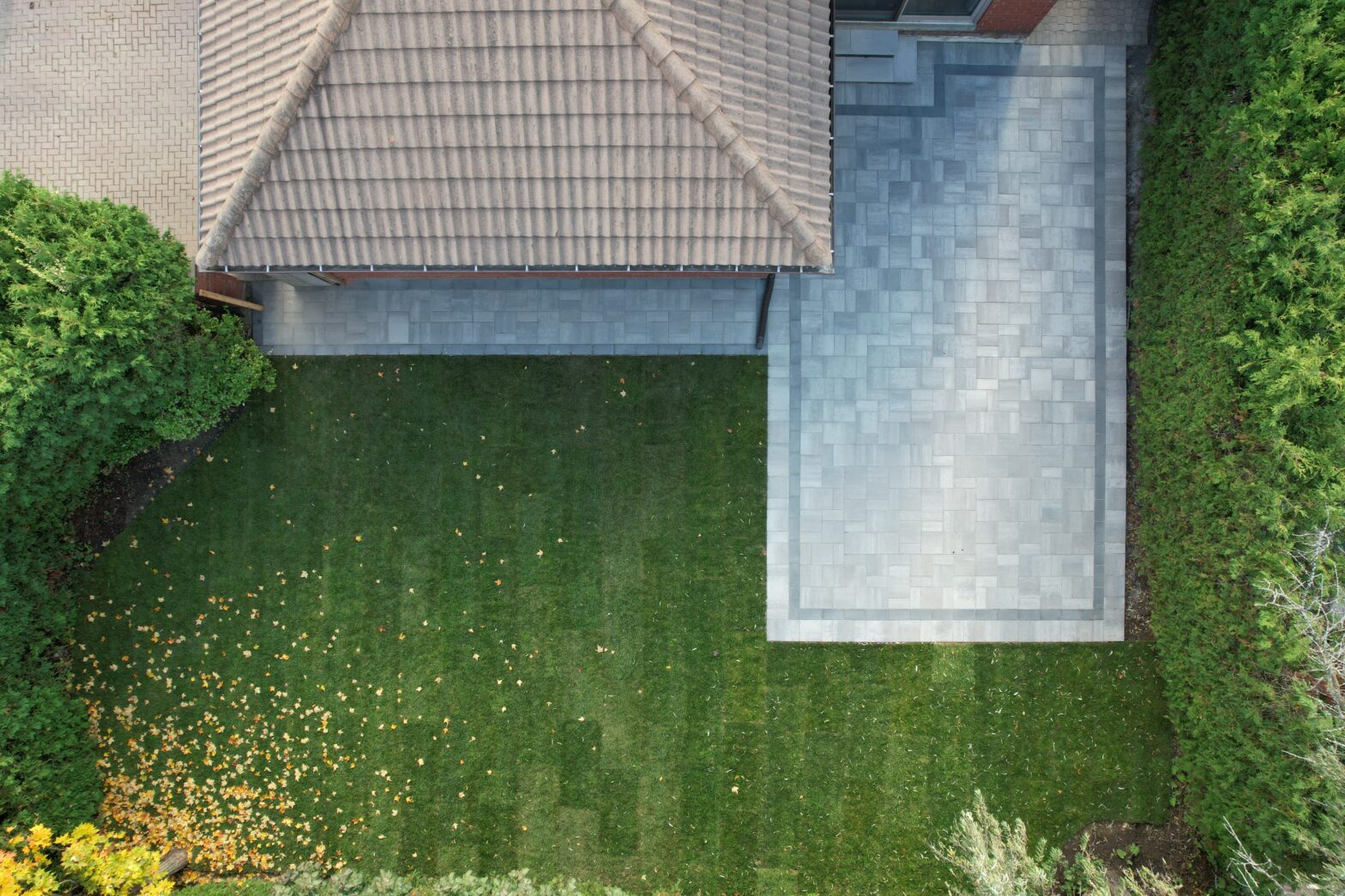
Patios benefit from mixed materials used intentionally. Pairing a main field paver with contrasting borders, like a warm grey field with charcoal edging, creates clean definition without overwhelming the space. Built-in seating walls double as planters and conversation zones, reducing the need for bulky outdoor furniture. Fire features like gas fire tables or sunken fire lounges extend usability into cooler months and serve as natural gathering points.
Lighting transforms hardscapes from daytime features to evening showcases. Integrated LED step lights on patio edges and retaining walls improve safety while highlighting design elements. Low-voltage path lighting along interlocked walkways guides visitors and emphasizes the crafted layout. Outdoor lighting consistently ranks among the top factors that boost curb appeal.
Don’t overlook drainage integration. Sloped driveways need proper grading and sometimes drainage channels to prevent water pooling at garage doors or foundation walls. Permeable pavers paired with correct base preparation handle runoff naturally, reducing ice buildup in winter and keeping surfaces dry after rain. These functional layers aren’t visible, but they’re what separate installations that last decades from those that fail within years.
How to Plan Your Interlocking Project in Hamilton
Start with an on-site assessment. Pricing depends on square footage, but also on excavation depth, slope, access for equipment and soil conditions. Clay-heavy ground common in Hamilton often requires deeper base preparation. A professional estimate should include base material, excavation, grading, paver selection, edge restraints and finishing details like polymeric sand and sealing.
Ask about warranties and base depth. A proper interlocking driveway in Ontario needs substantial compacted granular base for vehicle traffic. Patios require slightly less depending on soil type. Cutting corners on base depth is the top cause of premature failure, pavers sink, joints separate and weeds push through.
Material selection impacts both budget and longevity. Standard concrete pavers offer proven performance at reasonable installed costs. Premium lines with textured finishes or natural stone color blends cost more but deliver higher-end aesthetics. Clay brick costs more upfront but lasts generations with color that goes all the way through, so chips don’t show differently.
Timeline matters for seasonal planning. Interlocking installations in Southern Ontario ideally happen during dry weather from late spring through early fall. Wet ground complicates excavation and base compaction. Budget nearly a week for a standard driveway, longer for complex designs or projects requiring significant grading work. Confirm whether the contractor handles permits, especially for driveway work that affects municipal curbs or sidewalks.
Why Proper Installation Makes or Breaks Long-Term Performance
The pavers you see on the surface represent only half the project. The base underneath determines whether your driveway or patio lasts five years or fifty. A properly installed interlocking surface in Hamilton starts with excavation to remove unstable topsoil, followed by layered compaction of granular base material. Each layer gets mechanically compacted to maximum density before the next goes down.
Edge restraints keep pavers from spreading under load. Without them, border stones shift outward and the surface loses structural integrity. Professionals use metal or plastic edge restraints anchored with spikes, then backfill against them to lock everything in place. Polymeric sand fills joints between pavers, creating a flexible yet stable bond that resists weed growth and prevents water infiltration.
Grading directs water away from the home and prevents pooling on the surface. A proper driveway slopes just enough to shed water without creating a noticeable tilt. Patios should slope away from house foundations at similar grades. When drainage is handled correctly, you avoid ice patches in winter and standing water after storms.
Shortcuts show up fast. Thin base layers settle unevenly within a season. Skipped edge restraints let pavers spread and sink at borders. Poor grading creates drainage problems that undermine the base and cause expensive repairs. The difference between a bargain quote and a professional one often comes down to these hidden layers. Ask contractors to specify base depth, edge restraint type and grading plan before you compare prices.
Maintaining Your Interlocking Surfaces Through Hamilton Winters
Interlocking pavers need minimal upkeep, but a few seasonal habits extend lifespan and preserve appearance. After installation, surfaces settle slightly during the first winter. Top up polymeric sand in joints each spring to maintain stability and prevent weed growth. Most contractors offer post-installation sand top-ups as part of warranty service.
Avoid metal shovels and sharp ice scrapers on pavers during winter. Use plastic-edged snow shovels and apply ice melt products labeled safe for concrete pavers, calcium chloride works better than rock salt and causes less surface damage. Clear snow promptly to prevent compaction and ice layer buildup.
Power washing once per season removes dirt buildup and organic stains. Use a fan tip rather than a concentrated stream to avoid dislodging joint sand. If weeds appear despite polymeric sand, spot-treat with vinegar-based solutions or pull by hand, avoid chemical weed killers that can stain pavers.
Optional sealing every few years enhances color and provides stain resistance, especially for lighter-colored pavers on driveways where oil drips happen. Sealers aren’t structurally necessary but help maintain that fresh-installed look.
Choosing the Right Landscaping Partner in Hamilton
Selecting a contractor goes beyond lowest price. Look for companies with verifiable local projects, manufacturer certifications from brands like Unilock or Techo-Bloc and warranties that cover both materials and installation. Ask to visit completed projects in person, photos can hide quality issues that become obvious on-site.
Check references and search online reviews, focusing on comments about post-installation support and how problems were handled. Even the best installations occasionally need adjustments after the first freeze-thaw cycle. Responsive contractors who stand behind their work make those situations manageable.
Verify insurance coverage including liability and workers’ compensation. Interlocking work involves excavation, heavy equipment and site access, you want protection if something goes wrong. Confirm whether permits are the contractor’s responsibility or yours, especially for driveway work affecting public property like curbs.
Get detailed written quotes that break down square footage, base depth, material specifications, edge restraints, drainage provisions and timeline. Detailed quotes signal professionalism and protect both parties throughout the project.
Conclusion: Elevate Your Hamilton Property with Strategic Hardscaping
Strategic landscaping transforms Hamilton properties from ordinary to exceptional, delivering both immediate visual impact and long-term financial returns. Interlocking patios and driveways stand out because they solve practical challenges, drainage, durability, seasonal performance, while elevating curb appeal in ways buyers notice and value.
The key is matching materials and design to your property’s conditions, your budget and how you use the space. Whether you’re planning a welcoming front driveway that handles Canadian winters without cracking, a backyard patio that extends your living space into the shoulders of the season or a comprehensive landscape upgrade that ties hardscape and plantings together, the foundation matters more than the finish. Proper base preparation, drainage integration and professional installation separate projects that last decades from those that need repairs within years.
Ready to transform your Hamilton property with premium interlocking solutions? Enviro-Loc specializes in driveways, patios and outdoor hardscaping designed for Southern Ontario’s climate. Contact Enviro-Loc today for a consultation and discover how the right landscaping upgrades can elevate both your home’s value and your enjoyment of outdoor spaces.
FAQ
What landscaping features add the most value to Hamilton homes?
High-quality hardscaping like interlocking patios and driveways consistently delivers strong returns because they combine immediate curb appeal with long-term durability. Well-maintained lawns, mature plantings and proper drainage also rank high, but hardscape features offer the dual advantage of visual impact and performance through Canadian winters.
How much does an interlocking driveway cost in Hamilton in 2026?
Professional interlocking driveway installations in Hamilton vary based on several factors including base depth required for your soil conditions, paver selection, design complexity and drainage needs. Standard two-car driveways represent a significant investment, but quality installations last decades with minimal maintenance. On-site assessment provides the most accurate pricing for your specific property.
Do interlocking pavers hold up through Hamilton winters?
Yes, when properly installed with adequate base depth and correct drainage. Interlocking pavers flex with freeze-thaw cycles without cracking, unlike poured concrete or asphalt. The key is substantial compacted granular base and proper joint filling with polymeric sand. Quality installations last generations with minimal maintenance.
What’s the difference between interlocking patios and poured concrete?
Interlocking pavers offer superior durability through freeze-thaw cycles, easier repair when individual stones need replacement and design flexibility with patterns and colors. Poured concrete costs less upfront but cracks in Ontario winters and requires full replacement when damaged. Over the long term, interlocking delivers lower total cost of ownership despite higher installation expense.
How long does it take to install an interlocking driveway or patio in Hamilton?
Standard residential driveways typically take around a week, while patios range from a few days to nearly a week depending on size and complexity. Projects requiring significant grading, drainage correction or intricate patterns take longer. Weather affects timeline, installations need dry conditions for proper base compaction, making late spring through early fall the ideal window in Southern Ontario.